Embark on a journey into the digital realm where unwanted communications become a thing of the past. Blocking messages on Android isn’t just a technical function; it’s a gateway to reclaiming your personal space and curating a more pleasant mobile experience. From the initial concept of silencing persistent notifications to the nuanced art of managing digital intrusions, this exploration will unveil the secrets to a more serene digital life.
We’ll delve into the core mechanics of message blocking, exploring both the native tools your Android device offers and the innovative solutions provided by third-party applications. You’ll learn how to navigate the built-in features, master the art of blocking from both your messaging app and call logs, and even discover how to gracefully unblock contacts when the need arises. Moreover, we’ll examine the fascinating world of spam, revealing strategies to identify, report, and ultimately vanquish unwanted messages from unknown senders.
Prepare to become a master of your digital domain, armed with the knowledge to control your inbox and reclaim your peace of mind.
Understanding Message Blocking on Android
Let’s delve into the world of message blocking on Android, a feature that offers a layer of control over your digital communication. This capability allows you to curate the messages you receive, creating a more pleasant and secure mobile experience.
Fundamental Concept of Message Blocking
Message blocking on Android essentially acts as a gatekeeper for your SMS and MMS messages. When you block a number, any messages sent from that number are prevented from reaching your inbox. Instead of being displayed, these messages are typically rerouted to a blocked messages folder or, in some cases, silently discarded. The process is generally straightforward: you select the number you wish to block, and the Android system handles the rest.
This feature is integrated into the native messaging app on most Android devices, making it easily accessible.
Reasons for Blocking Messages
People choose to block messages for a variety of reasons, all stemming from a desire for a more controlled and less intrusive communication experience.
- Unwanted Solicitations: Many block messages from telemarketers, spammers, and businesses sending unsolicited advertisements. This can significantly reduce the volume of irrelevant messages cluttering your inbox.
- Harassment and Bullying: Blocking is a crucial tool for protecting oneself from harassment, cyberbullying, or abusive messages. It immediately cuts off the sender’s ability to contact you via text.
- Privacy Concerns: Some users block numbers from unknown senders to protect their personal information and avoid potential phishing scams or privacy breaches.
- Relationship Issues: In personal relationships, blocking can be used to limit communication with individuals following a disagreement or separation, providing space and avoiding further conflict.
Benefits of Message Blocking
The advantages of message blocking extend beyond simply filtering unwanted messages.
- Enhanced Privacy: Blocking numbers prevents unwanted individuals from accessing your inbox and potentially gathering information about your activities.
- Increased Productivity: By reducing the influx of distracting messages, users can focus on their tasks and improve their overall productivity.
- Peace of Mind: Knowing that you have control over who can contact you via text can significantly reduce stress and anxiety related to unwanted communication.
- Protection from Scams: Blocking numbers associated with potential scams and phishing attempts helps safeguard your personal and financial information.
Distinction between Message Blocking and Call Blocking
While both message blocking and call blocking serve to limit unwanted communication, they operate in distinct ways and have different implications.
- Functionality: Message blocking specifically targets text messages (SMS/MMS), while call blocking prevents phone calls from reaching your device.
- Notification: When a call is blocked, the caller typically hears a busy signal or is sent to voicemail. Message blocking usually prevents the message from appearing in your inbox, though some devices may store blocked messages in a separate folder.
- Scope: Blocking a number in your messaging app doesn’t automatically block calls from that number, and vice versa. You typically need to block the number separately in both the phone app and the messaging app.
- Impact: Blocking messages primarily affects text-based communication, reducing the volume of unwanted text. Call blocking directly affects voice communication, preventing unwanted phone calls.
Methods for Blocking Messages
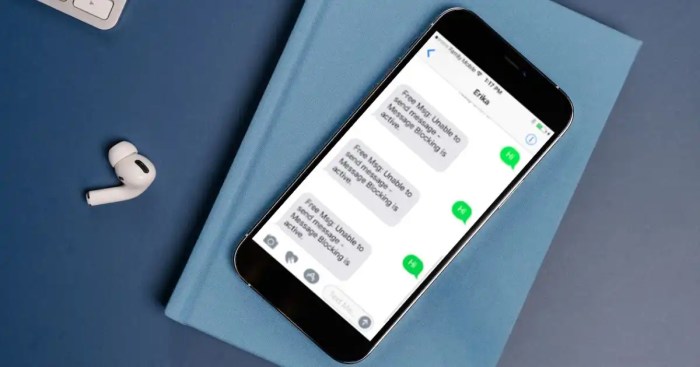
Navigating the digital landscape can sometimes feel like dodging a hailstorm of unwanted communications. Thankfully, Android, in its infinite wisdom, equips you with several built-in tools to shield yourself from the barrage. These features are designed to give you control over who can reach you, ensuring a more peaceful and personalized mobile experience.
Built-in Blocking Capabilities
Android phones generally come pre-loaded with message-blocking functionalities. These are usually found within the native messaging app and the call log. These built-in features offer a convenient and straightforward way to manage unwanted contacts, safeguarding your peace of mind without requiring third-party applications.
Blocking Messages Directly from the Messaging App
The messaging app is your first line of defense. The process is remarkably similar across most Android devices, making it simple to implement.Here’s how you can typically block a number directly from the messaging app:
- Open the Messaging App: Launch the app you use for texting (e.g., Google Messages, Samsung Messages).
- Select the Conversation: Tap on the conversation thread from the sender you wish to block.
- Access the Contact Information: Usually, this involves tapping the three vertical dots (more options) or the contact’s name at the top of the screen. This action reveals contact details.
- Find the Block Option: Look for an option like “Block,” “Block number,” “Mark as spam,” or similar wording. The exact phrasing may vary slightly depending on your phone’s manufacturer and Android version.
- Confirm the Block: You may be prompted to confirm your decision. Tap “Block” or “OK” to proceed.
After blocking, messages from that number will typically be sent to a “blocked” or “spam” folder, and you won’t receive notifications for them.
Blocking Messages from the Call Log
Unwanted calls often go hand-in-hand with unwanted texts. Blocking from your call log is just as easy.To block a number from your call log:
- Open the Phone App: Locate and open the application you use for making and receiving calls.
- Access the Call Log: Navigate to the “Recents,” “Call History,” or similar section where your call history is displayed.
- Select the Number: Tap on the phone number or contact you want to block from the call log.
- View Contact Details: Look for an option to view the contact’s information. This is often accessed by tapping the “i” icon or the three vertical dots.
- Choose the Block Option: Within the contact details, find the “Block” or “Block number” option.
- Confirm the Block: Confirm your choice by tapping “Block” or “OK.”
Once blocked, calls and texts from that number will be blocked.
Unblocking a Contact Using Built-in Features
Sometimes, you might block someone by mistake, or perhaps circumstances change. Unblocking is just as simple as blocking.Here’s how to unblock a contact:
- Access the Blocked Numbers List: The location of this list varies depending on your phone. It’s often found within the phone app’s settings or the messaging app’s settings. Look for options like “Blocked numbers,” “Blocked contacts,” or “Spam protection.”
- Locate the Contact: Within the blocked numbers list, find the contact you want to unblock.
- Select the Unblock Option: Tap on the contact’s name or number. There will typically be an “Unblock” option or a similar action.
- Confirm the Unblock: Confirm that you want to unblock the contact.
After unblocking, you will once again receive calls and messages from that contact.
Methods for Blocking Messages
Navigating the digital landscape necessitates managing unwanted communications. While Android offers native blocking capabilities, third-party applications provide alternative and often enhanced solutions. These apps offer varying levels of control and customization, catering to diverse user needs. Exploring these alternatives allows users to tailor their message-blocking experience for optimal peace of mind.Understanding the strengths and weaknesses of these applications is essential for making informed choices.
Let’s delve into the world of third-party message-blocking apps.
Third-Party Apps
Third-party apps represent a significant extension of Android’s native message-blocking functionality. They offer a range of features that can surpass the built-in capabilities, providing users with more granular control over their incoming messages.
Advantages and Disadvantages of Using Third-Party Apps
Utilizing third-party apps for message blocking presents a balanced equation of benefits and drawbacks. Weighing these factors is crucial when deciding if these apps align with your needs.
- Advantages:
- Enhanced Filtering: Many apps provide advanced filtering options, allowing users to block messages based on s, sender information (even if not in contacts), and content patterns.
- Customization: Users often gain greater control over how blocked messages are handled, such as the ability to archive, delete, or forward them.
- Call Blocking Integration: Some apps seamlessly integrate with call-blocking features, offering a comprehensive solution for managing unwanted communications.
- Reporting and Analytics: Certain apps offer reporting features, allowing users to track blocked messages and identify potential spam sources.
- Disadvantages:
- Privacy Concerns: Third-party apps require access to your messages, potentially raising privacy concerns if the app’s data handling practices are not transparent or secure. Always review the app’s privacy policy.
- Performance Impact: Some apps can consume battery life and system resources, potentially affecting your device’s performance.
- Subscription Fees: While some apps are free, many offer premium features through subscriptions.
- Reliability: The effectiveness of a third-party app depends on its development, updates, and compatibility with your Android version. App crashes or malfunctions are possible.
Comparison of Popular Third-Party Message Blocking Apps
Several third-party apps are available in the Google Play Store, each with its unique feature set. This table compares some of the most popular options, highlighting their key features, pros, and cons. This will help you make a well-informed decision.
| App Name | Key Features | Pros | Cons |
|---|---|---|---|
| Mr. Number | Block calls and texts, identify and block spam, reverse phone number lookup, community-sourced spam reports. | Extensive spam database, easy-to-use interface, integrates call blocking. | May require a subscription for advanced features, data privacy concerns if not handled carefully. |
| Truecaller | Caller ID, call blocking, spam detection, number lookup, community-based spam reporting, messaging app. | Excellent caller ID, large community database, free to use (with ads). | Aggressive ad placement, potential privacy concerns with data collection, requires internet connection for full functionality. |
| Call Blocker | Block calls and texts, blacklist management, whitelist, schedule blocking, call recording. | Flexible blocking rules, call recording capabilities (depending on your device and region). | User interface might feel outdated, call recording can raise legal concerns in some regions. |
| Hiya | Caller ID, call blocking, spam detection, reverse number lookup. | Accurate caller identification, user-friendly interface, integrates with some Android dialer apps. | Limited features compared to competitors, potential for occasional misidentification of numbers. |
Installation and Setup Process for a Sample Third-Party Blocking App
The installation and setup process typically follow a similar pattern across most third-party message-blocking apps. Here’s a general guide, using Mr. Number as an example:
- Installation: Open the Google Play Store and search for “Mr. Number.” Tap “Install” and wait for the app to download and install.
- Permissions: Once installed, open the app. You’ll be prompted to grant the necessary permissions. These typically include access to your contacts, phone, and SMS messages. Review the permissions carefully before granting access. Refuse any unnecessary permissions.
- Setup: The app may guide you through a brief setup process, which might involve setting it as your default SMS app (if it offers that feature).
- Blocking Settings: Navigate to the app’s settings menu. Here, you’ll find options to block numbers manually, block unknown numbers, block numbers not in your contacts, and filter messages based on s.
- Testing: To verify the app’s functionality, send a test message from a different number. Observe how the app handles the blocked message.
Remember to always review the app’s privacy policy and terms of service before installation.
Examples of How Third-Party Apps Handle Blocked Message Notifications
Third-party apps handle blocked message notifications differently, offering varying levels of transparency and control.
- Silent Blocking: Some apps silently block messages and do not provide any notifications, effectively hiding them from your inbox. You might only be aware of the blocked message if you check the app’s blocked messages log.
- Notification with Filtering Information: Other apps may provide a discreet notification indicating that a message has been blocked. This notification often includes information about why the message was blocked (e.g., match, unknown number).
- Detailed Reporting: More advanced apps offer detailed reporting on blocked messages, including the sender’s information, the content of the message (if the app is configured to archive blocked messages), and the reason for blocking. This information can be useful for identifying spam patterns.
- Customizable Notification Options: Some apps allow users to customize how they are notified of blocked messages. You may be able to choose between a silent notification, a brief notification, or no notification at all.
Blocking Messages from Unknown Numbers and Spam

Navigating the digital world means encountering the occasional (or, let’s be honest, frequent) influx of unwanted messages. Fortunately, Android offers a robust set of tools to shield you from the deluge of spam and messages from unknown sources. This section details how to harness these tools, transforming your messaging experience from a battleground into a peaceful haven.
Blocking Messages from Unknown Numbers
The ability to block messages from numbers not saved in your contacts is a cornerstone of message management. This is because many spam messages originate from numbers you don’t recognize. Blocking these unknown senders is a proactive step toward a cleaner inbox.The process of blocking messages from unknown numbers is generally straightforward, though the exact steps might vary slightly depending on your Android device’s manufacturer and the version of Android it’s running.
Here’s how it typically works:* Within the Messages App: Open your default messaging app (e.g., Google Messages).
Locate the Message
Find the message from the unknown number you wish to block.
Access Options
Tap and hold the message or tap the three vertical dots (more options) next to the message.
Select “Block”
From the menu that appears, select the “Block” option. This might be labeled “Block number,” “Mark as spam and block,” or something similar.
Confirm
You may be asked to confirm your choice. Once confirmed, messages from that number will be blocked. They typically won’t appear in your inbox, and you won’t receive notifications for them.Some Android devices also offer a setting that automatically filters messages from unknown senders into a separate “Spam” folder. This is a handy feature because it allows you to review these messages later, just in case a legitimate message was mistakenly flagged.
Strategies for Effectively Blocking Spam Messages
Combating spam is an ongoing effort, a digital arms race. The spammers are constantly evolving their tactics, and so must you. A multi-pronged approach is the most effective.To effectively block spam messages, consider these strategies:* Utilize the Built-in Spam Filters: Most Android messaging apps come equipped with built-in spam filters. Ensure these are enabled in your app’s settings. These filters use algorithms to identify and flag potential spam messages.* Report Spam: Actively report spam messages.
This helps train the spam filters to become more accurate over time. When you report a message as spam, the messaging app usually analyzes the content and sender information to improve its spam detection capabilities.* Avoid Clicking Suspicious Links: Never click on links within unsolicited messages. These links can lead to phishing websites, malware downloads, or other malicious activities. If you’re unsure about the legitimacy of a message, it’s best to err on the side of caution and delete it.* Be Cautious About Sharing Your Number: Be mindful of where you share your phone number.
Avoid posting it publicly on social media or other websites. When signing up for services, review the privacy policy to see how your number might be used.* Consider Third-Party Apps: Explore third-party messaging apps that offer more advanced spam-blocking features. These apps often provide more granular control over filtering options and can block messages based on s, sender patterns, or other criteria.* Update Your Software: Keep your Android operating system and messaging apps updated.
Software updates often include security patches and improvements to spam-filtering capabilities.
Designing a Process for Identifying and Reporting Spam Messages, Blocking messages on android
Establishing a consistent process for identifying and reporting spam is crucial. This proactive approach not only helps protect you but also contributes to the collective effort to combat spam.Here’s a structured process for identifying and reporting spam messages:
1. Careful Review
Regularly review your messages, including those in your inbox and any “Spam” or “Junk” folders.
2. Recognize Red Flags
Be vigilant for common spam indicators:
Unsolicited Messages
Messages from unknown numbers or senders you haven’t contacted.
Suspicious Content
Messages with urgent language, offers that seem too good to be true, or requests for personal information.
Poor Grammar and Spelling
Spam messages often contain grammatical errors and spelling mistakes.
Generic Greetings
Messages that start with a generic greeting, such as “Dear customer” or “Hi there.”
Unusual Links
Links to websites you don’t recognize or that appear suspicious.
3. Report the Message
If you identify a message as spam, take immediate action:
Within the Messaging App
Most messaging apps have a “Report spam” or “Mark as spam” option. Use this feature to report the message.
Block the Number
Block the sender’s number to prevent future messages.
4. Consider Additional Reporting
Depending on the nature of the spam, you might consider reporting it to other authorities:
Federal Trade Commission (FTC)
For scams and deceptive practices.
Your Mobile Carrier
To inform them about the spam and potentially block the number at the network level.
5. Review Your Spam Folder
Periodically check your “Spam” or “Junk” folder to ensure no legitimate messages have been incorrectly flagged. If a legitimate message is found, mark it as “Not spam” to prevent future misclassifications.
Detailing How to Use Filtering Options to Manage Unwanted Messages
Android’s filtering options offer a powerful way to manage unwanted messages and tailor your messaging experience. Understanding and utilizing these features is key to maintaining a clean and organized inbox.Filtering options on Android are often found within your messaging app’s settings. The exact location and options may vary depending on the app you are using, but here’s a general overview:* Spam Filtering: As mentioned earlier, enable the built-in spam filter.
This filter automatically identifies and moves suspected spam messages to a separate folder.
Blocking Numbers
Manually block individual numbers from sending you messages. You can usually find this option by tapping and holding on a message or accessing the contact information.
Filtering by s
Some messaging apps allow you to filter messages based on s. For example, you could block messages containing words like “free,” “urgent,” or specific company names. This is an advanced technique, and its availability depends on the messaging app.
Notifications
Customize your notification settings. You can choose to receive notifications for all messages, only from contacts, or none at all. You can also customize notification sounds and vibration patterns.
Custom Filters (Third-Party Apps)
Third-party messaging apps often provide more advanced filtering options. These can include filters based on sender patterns, message content, or other criteria. These apps allow a greater degree of control over your messaging experience.
Muting Conversations
Mute individual conversations to stop receiving notifications from specific senders without blocking them. This is useful for managing group chats or conversations you don’t want to be constantly interrupted by.By leveraging these filtering options, you can create a messaging environment that is tailored to your needs and preferences. This allows you to reduce distractions, protect yourself from spam, and stay connected with the people who matter most.
Managing Blocked Messages and Notifications
Keeping tabs on your blocked messages and how your phone alerts you about them is crucial. It’s like having a dedicated “spam filter inspector” – you want to make sure the good stuff gets through while the unwanted noise stays out. Understanding how your Android device handles these messages and notifications ensures you’re in control of your communication, maintaining both peace of mind and access to important information.
Organizing Blocked Message Handling
Your Android device typically tucks blocked messages away in a special, out-of-sight location. Think of it as a digital junk drawer. This is done for a few key reasons:* Privacy: Keeping blocked messages separate prevents them from cluttering your main inbox and potentially exposing you to unwanted content.
Review
It provides a central place to review messages you’ve blocked, allowing you to occasionally check for false positives (messages that were wrongly blocked).
Efficiency
By diverting blocked messages, your phone doesn’t have to process them in the same way it handles regular messages, potentially improving performance.Blocked messages are generally handled in one of two ways:* Silently Deleted: The message is automatically deleted without any notification. This is the most common approach for messages from known spam numbers.
Archived/Moved to a “Blocked” Folder
The message is stored in a dedicated folder or archive within your messaging app, accessible for later review.The specific method varies depending on your Android version, the messaging app you’re using (e.g., Google Messages, Samsung Messages), and any custom settings you’ve configured.
Notification Settings Related to Blocked Messages
Notification settings dictate how and when you’re alerted about blocked messages. Fine-tuning these settings is essential to avoid missing important information while minimizing distractions.You’ll generally find notification controls within your messaging app’s settings. Here’s what you can typically adjust:* Notification Type: You might have options like “Silent” (no sound or visual alert), “Default” (a standard notification sound and visual alert), or “Custom” (allowing you to choose a specific sound or notification style).
Visual Alerts
You can often control whether a notification appears on your lock screen, as a banner at the top of the screen, or as an icon in the status bar.
Vibration
You can enable or disable vibration alerts.
Notification LED
Some devices have an LED light that flashes to indicate new notifications; you can control its behavior.A crucial consideration is the balance between staying informed and avoiding notification overload. Many users choose to disable notifications for blocked messages to avoid constant interruptions, while others prefer a discreet alert to monitor for potential false positives.
Accessing and Reviewing Blocked Messages
Accessing blocked messages is usually straightforward, allowing you to review content you’ve filtered. The process typically involves these steps:
1. Open Your Messaging App
Launch the messaging application you use (e.g., Google Messages, Samsung Messages).
2. Access Settings
Look for a settings menu, often represented by three vertical dots (⋮) or a gear icon (⚙️).
3. Find the “Blocked” Section
Within the settings, search for a section labeled “Blocked numbers,” “Blocked contacts,” or something similar.
4. View Blocked Messages
This section will typically list the numbers or contacts you’ve blocked. Tapping on a blocked contact will often reveal the messages exchanged before being blocked.The exact location of the blocked messages may vary slightly depending on your specific phone model and Android version. However, the core principle remains consistent: a dedicated area for managing and reviewing blocked communications.For example, in Google Messages, you’d typically find the blocked contacts list under “Spam & blocked.” Tapping on a blocked contact allows you to view the blocked messages from that number.
Customizing Notification Preferences for Blocked Contacts
Personalizing notification preferences for blocked contacts lets you tailor how your phone handles these communications. This offers control over your digital experience.Here’s how you can customize these preferences:* Per-Contact Customization (If Available): Some messaging apps allow you to set specific notification behaviors for individual blocked contacts. This could involve silencing notifications for a specific number while still allowing notifications for others.
Global Settings
Generally, you can adjust the notification settings forall* blocked contacts. This affects how your device alerts you about messages from any blocked number.
Considerations
Carefully consider the implications of your choices. Disabling all notifications for blocked contacts might mean you miss a crucial message that was wrongly classified as spam. Conversely, enabling notifications for all blocked messages could lead to constant interruptions.The best approach often involves a combination of global settings and, if available, per-contact customization. For instance, you might choose to silence all blocked notifications by default but create an exception for a specific contact you suspect might be sending legitimate messages.
Troubleshooting Message Blocking Issues
Let’s face it, even the most sophisticated technology sometimes throws a curveball. Message blocking on Android, while generally reliable, can occasionally act up, leading to frustrating situations. This section dives into the common glitches and offers practical solutions to get your message filtering back on track.
Common Problems with Message Blocking
Sometimes, despite your best efforts, blocked messages find a way to sneak through. This section Artikels some of the typical issues users face.
- Blocked Messages Still Appearing: This is perhaps the most irritating problem. You’ve blocked a number, yet their unwanted texts still pop up. It can be due to a variety of factors, from a simple glitch to more complex issues.
- Incorrect Blocking: Sometimes, the system mistakenly blocks numbers you
-do* want to receive messages from. This can lead to missed important notifications, appointments, or communications. - Blocking Feature Not Working at All: In some instances, the blocking feature simply doesn’t function. You might attempt to block a number, but the action doesn’t seem to take effect.
- Contact List Syncing Issues: Problems can arise when your contact list doesn’t sync correctly with the blocking settings. This can lead to blocked numbers being incorrectly identified or missed.
Solutions for Blocked Messages Still Appearing
If those pesky blocked messages are still showing up, don’t despair! Here’s how to tackle the problem.
- Double-Check the Blocked Number: The most obvious, but often overlooked, step is to make sure you’ve actually blocked the correct number. A simple typo can be the culprit.
- Restart Your Device: A simple reboot can often resolve minor software glitches. This refreshes the system and can fix temporary errors.
- Clear the Messaging App’s Cache: Cached data can sometimes cause problems. Clearing the cache in your messaging app can resolve this. Go to Settings > Apps > Messages > Storage and tap “Clear Cache.”
- Update Your Messaging App: Make sure your messaging app is up-to-date. Updates often include bug fixes and performance improvements. Check the Google Play Store for any available updates.
- Check for Duplicate Contacts: Sometimes, a number is saved multiple times in your contacts, potentially leading to confusion for the blocking system. Review your contacts and merge any duplicates.
- Verify Your Carrier’s Blocking Features: Some carriers offer their own message-blocking services, which might interfere with your Android’s built-in feature. Check your carrier’s website or contact their customer support.
Troubleshooting Steps for When Blocking Isn’t Working as Expected
When the blocking feature refuses to cooperate, it’s time for more in-depth troubleshooting.
- Verify App Permissions: Ensure your messaging app has the necessary permissions to block messages. Go to Settings > Apps > Messages > Permissions and check that “SMS” and “Contacts” permissions are enabled.
- Check for Conflicting Apps: Other apps, such as third-party SMS apps or call-blocking apps, might interfere with the built-in blocking feature. Temporarily disable these apps to see if the problem resolves.
- Factory Reset (Last Resort): If all else fails, a factory reset can often resolve stubborn software issues.
-Be sure to back up your data before performing a factory reset.* Go to Settings > System > Reset options > Erase all data (factory reset). - Report the Issue: If you’ve tried all these steps and the problem persists, report the issue to Google or your device manufacturer. They may be able to provide further assistance or investigate the issue.
Checking and Managing the Blocked Contacts List
Regularly managing your blocked contacts list is crucial for maintaining control over your communications.
- Accessing the Blocked List: The location of the blocked contacts list varies slightly depending on your device and messaging app. Typically, you can find it within the messaging app’s settings or under the “Blocked Numbers” section in your phone’s settings.
- Reviewing and Unblocking Numbers: Periodically review your blocked list to ensure you haven’t accidentally blocked any important contacts. You can unblock numbers by selecting them from the list and tapping “Unblock.”
- Adding Numbers to the Blocked List: You can add numbers to the blocked list directly from your messaging app, call logs, or contacts list. Simply select the number and choose the “Block” option.
- Importing/Exporting Blocked Numbers: Some messaging apps allow you to import and export your blocked contacts list, which can be useful if you’re switching devices or want to back up your blocking preferences.
- Organizing Your Blocked List: Consider organizing your blocked list by categories or groups (e.g., spam, unknown, etc.) to make it easier to manage.
Specific Android Device Considerations
Navigating the world of message blocking on Android can feel like charting unexplored territory, especially when considering the diverse landscape of devices. The experience isn’t uniform; instead, it’s a tapestry woven with threads of brand-specific implementations and operating system nuances. This section delves into the intricacies of how different Android phone brands approach message blocking and how these capabilities evolve with software updates.
Variations Across Android Phone Brands
The Android ecosystem, with its myriad manufacturers, means that message blocking isn’t a one-size-fits-all feature. Each brand – Samsung, Google Pixel, OnePlus, Xiaomi, and others – often tailors the user experience, including message blocking, to its specific hardware and software philosophy. This results in variations in how you block messages, manage blocked contacts, and receive (or don’t receive) notifications about blocked messages.
Feature Comparison: Samsung vs. Google Pixel
To illustrate the differences, let’s compare the message blocking features on Samsung and Google Pixel devices. This comparison highlights the core functionalities and any notable disparities.
| Feature | Samsung | Google Pixel |
|---|---|---|
| Blocking Method | Typically done within the Messages app by long-pressing a conversation or selecting “Block number.” Can also be blocked from the Phone app. | Similar to Samsung, often within the Messages app. Also allows blocking directly from the call history in the Phone app. |
| Blocked List Management | Accessed via the Messages app settings (often under “Block numbers” or similar). Offers options to view, unblock, and potentially report spam. | Found in the Phone app settings, usually under “Blocked numbers.” Provides options for managing the blocked list and reporting spam. |
| Spam Protection | Often includes built-in spam protection, filtering potentially unwanted messages into a separate “Spam” folder. The level of filtering can be adjusted. | Employs Google’s spam detection, which is generally robust. Messages identified as spam are automatically filtered. |
| Call Blocking Integration | Message blocking often integrates with call blocking features, allowing users to block both calls and texts from the same number. | Offers similar integration, enabling unified blocking of calls and messages. |
| Customization | Offers some customization options, such as the ability to set up custom notifications for blocked messages. | Provides limited customization options beyond basic blocking and unblocking. |
Device-Specific Steps: Blocking Messages on a Popular Android Model
Let’s consider a popular Android phone model, the Samsung Galaxy S
23. Here’s how to block messages
- Open the Messages App: Locate and launch the default messaging application.
- Select the Conversation: Tap and hold on the conversation from the sender you want to block.
- Choose Block Option: A menu will appear. Select the “Block” or “Block number” option.
- Confirm the Block: The phone may ask for confirmation. Tap “Block” to confirm.
- Manage Blocked Numbers: To view or manage your blocked numbers, go to the Messages app settings (usually by tapping the three dots in the top right corner). Then, navigate to “Block numbers” or a similar setting.
Operating System Version’s Impact
The Android operating system version significantly influences message blocking capabilities. Newer versions often introduce enhanced features and improved spam detection. For example:
- Android 10 and Earlier: Blocking capabilities were generally more basic, with fewer built-in spam protection features. Users often relied on third-party apps for advanced filtering.
- Android 11 and Later: Improvements in spam detection and filtering were introduced. System-level features for blocking and managing blocked numbers became more prominent.
- Android 12 and 13: Continued refinements in spam detection, with increased integration of Google’s spam filtering services. Enhanced user control over notifications from blocked numbers.
For instance, consider a scenario where a user with an older Android version (e.g., Android 9) is inundated with spam texts. They might have to install a third-party app to effectively filter these messages. However, a user with a newer Android version (e.g., Android 13) benefits from the built-in spam protection, potentially reducing the need for additional apps. This demonstrates how the operating system version directly affects the user’s ability to manage unwanted messages.
Privacy and Security Implications of Message Blocking

Message blocking on Android isn’t just about silencing annoying notifications; it’s a critical tool with significant implications for your privacy and security. Understanding these implications is key to using this feature effectively and responsibly, ensuring your digital life remains safe and under your control. It’s about taking proactive steps to safeguard your personal information and mental well-being in an increasingly connected world.
Privacy Implications of Message Blocking
Message blocking offers a degree of privacy, shielding you from unwanted communications. However, it’s essential to understand its limitations and potential drawbacks. Consider it a shield, not an impenetrable fortress.
- Data Collection and Third-Party Apps: While blocking messages from a contact prevents them from directly contacting you, the blocking process itself might involve interactions with your phone’s operating system or even third-party apps, especially if you’re using a specific message blocking application. These interactions could potentially lead to data collection, depending on the app’s privacy policy. Always review the permissions and privacy practices of any app you use for message blocking.
For instance, some apps might collect information about the blocked numbers or the content of the messages (though they won’t be accessible to you).
- Metadata and Potential Exposure: Blocking a message only prevents its delivery to your inbox. The sender’s information (phone number, and potentially other metadata) is often still stored on your device, and could be accessible depending on your phone’s data backup settings. This metadata could be at risk if your device is compromised. Consider how your phone backs up your data; some backups might include blocked contacts.
- Limited Anonymity: Blocking a number doesn’t guarantee anonymity for the sender. While it prevents them from directly contacting you, it doesn’t prevent them from using other numbers or methods to reach you. If the sender is determined, they can find ways around your block.
Security Considerations Related to Message Blocking
Beyond privacy, message blocking plays a crucial role in your overall digital security. It’s a vital line of defense against potential threats.
- Protection Against Phishing and Scams: One of the most significant security benefits is the ability to block messages from suspected phishing attempts or scam numbers. These messages often try to trick you into revealing personal information or downloading malware. Blocking these numbers immediately can prevent you from falling victim to these attacks.
- Defense Against Malware Distribution: Malicious actors sometimes use SMS messages to distribute malware through links or attachments. Blocking suspicious numbers helps mitigate the risk of downloading harmful software onto your device. Regularly review your blocked contacts list for numbers you don’t recognize.
- Preventing Identity Theft: Scammers might use SMS messages to try and obtain your personal information, which they can then use for identity theft. Blocking these messages can reduce your exposure to such attempts.
- Example: Imagine receiving a message claiming to be from your bank, requesting you to verify your account information. If you suspect it’s a scam, blocking the number is a crucial first step in protecting yourself.
Protection Against Harassment and Unwanted Communication
Message blocking is a powerful tool for safeguarding your mental and emotional well-being by providing a shield against harassment and unwanted communications.
- Mitigating Harassment: Blocking allows you to immediately halt unwanted and harassing messages, preventing the constant barrage of unwelcome communication that can be emotionally draining. It gives you control over who can contact you.
- Managing Unwanted Spam: Spam messages are not only annoying but can also be intrusive. Blocking these messages reduces the volume of unwanted content you receive.
- Setting Boundaries: Message blocking helps you establish and enforce boundaries with individuals who are repeatedly sending unwanted messages.
- Example: If you are experiencing harassment from a particular number, blocking it immediately stops the flow of abusive messages, giving you peace of mind.
Importance of Regularly Reviewing the Blocked Contacts List
Regularly reviewing your blocked contacts list is an essential practice to maintain the effectiveness of message blocking. This ensures that you’re not inadvertently blocking legitimate contacts and that you’re staying ahead of potential threats.
- Identifying and Unblocking Legitimate Contacts: Occasionally, you might accidentally block a legitimate contact. Regularly reviewing your list helps you identify and unblock these individuals.
- Updating Blocked Contacts: New spam numbers and potential threats emerge constantly. Regularly reviewing your list allows you to add new numbers and keep your protection up-to-date.
- Assessing Current Threats: By examining the numbers you’ve blocked, you can gain insight into the types of messages you’re receiving and adjust your blocking strategy accordingly.
- Example: Consider checking your blocked list every month. This simple habit can prevent you from missing important messages and ensure your blocking strategy is current.
Alternatives to Message Blocking
Sometimes, outright blocking feels a bit like using a sledgehammer to crack a nut. While effective, it can also lead to missing potentially important messages. Thankfully, Android offers a range of alternatives that allow for more nuanced control over your incoming communications. These methods provide different levels of intervention, allowing you to tailor your approach to the specific sender and situation.
Muting Conversations
Muting a conversation is like putting a gentle lid on a bubbling pot. Instead of completely silencing the sender, you simply prevent notifications from popping up. This means you won’t be alerted to new messages, but you can still access the conversation and read them at your convenience. This is perfect for group chats or contacts who send frequent, but not necessarily unwanted, messages.
You remain connected without the constant pings and vibrations.
Message Filtering: A Digital Bouncer
Android’s message filtering capabilities offer a more sophisticated approach. Essentially, the system automatically sorts your incoming messages, often based on sender information or content analysis. This is a bit like having a digital bouncer at the door, deciding who gets immediate attention and who gets relegated to a less prominent location. Filtering can be used to direct messages from unknown senders to a separate folder, or even flag suspected spam for your review.
This helps to keep your main inbox clean and focused on the messages you prioritize.
Comparing Blocking, Muting, and Filtering
Choosing the right method depends on your needs. Each option offers a unique set of features and outcomes. Here’s a comparison to help you make the best decision:
Let’s explore the key differences between Blocking, Muting, and Filtering.
- Blocking: This is the nuclear option. The sender’s messages are completely blocked, and they won’t be able to reach you via SMS/MMS. You will not receive any notifications, and the messages will not be delivered to your device. The sender won’t know they are blocked. This is ideal for dealing with persistent harassment or unwanted communication.
- Muting: This is a gentler approach. The sender’s messages still arrive in your inbox, but you won’t receive any notifications. You can read the messages at your convenience, but you won’t be constantly interrupted. This is perfect for managing noisy group chats or contacts who send frequent, but not urgent, messages. You retain access to the messages but reduce distractions.
- Filtering: This is like having a digital assistant. Messages are automatically sorted into different categories, such as “Spam” or “Unknown Senders.” This keeps your main inbox clean and allows you to review messages at your leisure. Filtering helps you manage your inbox efficiently and identify potentially unwanted messages. You can still see the messages, but they are organized and less intrusive.
When Alternative Methods Are Preferable to Blocking
Blocking should not be the automatic response to every unwanted message. There are situations where muting or filtering offers a better solution.For example, consider a busy group chat for a work project. Blocking everyone would be counterproductive, but muting the conversation prevents constant notifications from disrupting your focus.Or imagine you are expecting a verification code from a new service. Blocking unknown numbers could prevent you from receiving it, while filtering would allow you to check for the code in a separate folder.Sometimes, the best approach is to start with a less aggressive method.
Muting or filtering gives you a chance to assess the situation and decide whether blocking is truly necessary. It’s about finding the right balance between control and connectivity.
Future of Message Blocking on Android: Blocking Messages On Android
The world of mobile communication is perpetually evolving, and with it, the arms race against unwanted messages. As technology advances, so too will the methods used to combat spam, scams, and other forms of digital harassment. Android, as a leading mobile operating system, is poised to lead the charge in this evolution, with exciting developments on the horizon that promise to make message blocking more intelligent, proactive, and user-friendly.
Potential Future Developments in Message Blocking Technology
Message blocking technology is on the cusp of a significant transformation, driven by advancements in artificial intelligence, machine learning, and a deeper understanding of user behavior. These advancements promise to move beyond simple filtering and sender blacklists, offering a more nuanced and effective approach to managing unwanted communications.
- AI-Powered Spam Detection: Expect to see a shift towards AI-driven spam detection that goes beyond static rules. Systems will learn from vast datasets of message content, sender behavior, and user feedback to identify spam with greater accuracy. This will involve analyzing not just the message content but also the sender’s history, the time of day the message was sent, and even the context of the user’s recent interactions.
- Proactive Blocking: Instead of relying solely on user reports, future systems might proactively block messages based on suspicious patterns. This could include messages from newly created numbers, messages containing phishing URLs, or messages exhibiting signs of malicious intent.
- Contextual Blocking: Imagine a system that understands your current situation. If you’re in a meeting, it might automatically silence all notifications, or if you’re traveling internationally, it might block messages from unknown numbers to avoid roaming charges.
- Enhanced User Control: While automation is key, users will retain granular control. Advanced settings will allow users to customize their blocking preferences, create custom filters, and even train the AI by providing feedback on blocked messages.
- Cross-Device Synchronization: Message blocking settings will seamlessly synchronize across all Android devices associated with a user’s Google account, ensuring a consistent experience regardless of the device being used.
How Artificial Intelligence Could Improve Message Blocking Features
Artificial intelligence is the engine that will drive the next generation of message blocking. AI algorithms can analyze massive amounts of data in real-time, identifying patterns and anomalies that humans might miss. This ability is crucial for staying ahead of spammers and scammers who are constantly evolving their tactics.
- Dynamic Filtering: AI can learn to identify spam and phishing attempts that use evolving language and tactics. This means the filters will adapt to new threats automatically, without requiring manual updates.
- Behavioral Analysis: AI can analyze the behavior of senders to identify suspicious activity. For example, a sender who sends a large number of messages to different recipients in a short period might be flagged as a potential spammer.
- Personalized Blocking: AI can learn a user’s preferences and tailor blocking settings accordingly. If a user frequently receives messages from a specific type of sender, the system can automatically block similar messages in the future.
- Reduced False Positives: By analyzing context and user behavior, AI can significantly reduce the number of legitimate messages that are incorrectly blocked.
- Real-time Threat Intelligence: AI can connect to threat intelligence feeds to stay updated on the latest spam and phishing campaigns. This allows for immediate blocking of messages related to new threats.
Example of How Android Might Integrate New Methods for Managing Unwanted Messages
Consider a scenario where a user receives a suspicious message offering a too-good-to-be-true deal. Instead of simply blocking the number, Android could offer a range of proactive options, guided by AI.
- Contextual Warnings: As soon as the message is received, a subtle warning could appear, highlighting the potential for fraud based on the message’s content and the sender’s history.
- Automated Analysis: The system could automatically analyze the message’s content, checking for known phishing URLs, suspicious language, and sender reputation.
- Suggested Actions: Based on the analysis, the system could suggest actions such as “Report as spam,” “Block sender,” or “View sender’s details.”
- Smart Filtering: If the user chooses to block the sender, the system could automatically add the sender to the user’s blacklist and apply smart filtering rules to similar messages in the future.
- User Feedback Loop: The system could learn from the user’s actions. If the user marks the message as spam, the AI could use this feedback to improve its detection capabilities.
Detailed Description of a Futuristic Message Blocking Interface
Imagine an Android interface designed for intuitive message management, blending simplicity with powerful features. This futuristic interface would be centered around a clean, uncluttered design, prioritizing ease of use and providing a comprehensive overview of message activity.
- Centralized Dashboard: A single dashboard would provide a clear overview of all blocked messages, spam reports, and custom filter settings. This dashboard would feature interactive charts and graphs to visualize message activity and identify trends.
- Smart Filters Section: This section would allow users to create and manage custom filters based on s, sender details, or message content. The interface would offer pre-built filter templates for common scenarios, such as blocking messages containing specific phrases or from unknown numbers.
- AI-Powered Recommendations: The interface would proactively suggest blocking rules based on the user’s message history and spam reports. These recommendations would be accompanied by explanations and examples, making it easy for users to understand and implement them.
- Interactive Timeline: A timeline view would display all messages, both blocked and received, with clear indicators for spam, phishing attempts, and other suspicious activity. Users could tap on individual messages to view details, report them, or add the sender to their contact list.
- Advanced Settings: A dedicated settings section would offer granular control over blocking preferences, notification settings, and privacy options. Users could customize the level of protection, choose whether to receive notifications for blocked messages, and control the types of data that are shared with the AI.
- Visual Indicators: Subtle visual cues, such as color-coding and icons, would be used to highlight suspicious messages and provide context. For example, messages from unknown numbers might be displayed with a grey background, while messages identified as potential phishing attempts might be highlighted in red.
- Reporting and Feedback: A simple and intuitive reporting system would allow users to flag spam messages and provide feedback on the system’s performance. This feedback would be used to continuously improve the accuracy of spam detection and filtering.
