Embark on a journey into the world of Android, the place the digital pulse of communication beats sturdy. Android syncing mail notification, a seemingly easy course of, is a gateway to staying linked, knowledgeable, and in management. Think about the enjoyment of receiving instantaneous updates, the fun of anticipating thrilling information, and the peace of thoughts realizing you are all the time within the loop. This information unravels the intricate dance of emails in your Android gadget, remodeling complicated technicalities into an accessible and interesting narrative.
Put together to dive deep into the mechanisms behind your inbox, exploring the secrets and techniques of seamless synchronization and the artwork of managing notifications with finesse.
We’ll begin with the basic constructing blocks: understanding how your emails waltz onto your gadget, the distinction between a delicate push and a gradual pull, and the varied protocols that orchestrate this digital ballet. We’ll then discover the most important gamers – Gmail, Outlook, and Yahoo Mail – analyzing their distinctive notification kinds and the myriad of customization choices at your fingertips.
From diagnosing pesky syncing issues to mastering the artwork of notification management, this information equips you with the data to beat your inbox. We’ll delve into battery optimization, safety finest practices, and even discover superior methods for these in search of the last word e-mail expertise. Lastly, we’ll journey by means of the evolution of Android variations, witnessing how every iteration has formed the way in which we work together with our digital correspondence.
Understanding the Core Idea

Let’s dive into the fascinating world of how your Android gadget retains you linked to your e-mail, specializing in the unseen mechanisms that carry these notifications to life. It is a journey from the server to your display, a posh dance of information and protocols, all working in excellent concord (more often than not!).
Android E-mail Synchronization: The Mechanics
Your Android cellphone does not magicallyknow* if you’ve received a brand new e-mail. It must actively verify or be informed. That is the place synchronization is available in. Consider it like a continuing dialog between your cellphone and your e-mail server.Synchronization works within the following steps:
- Authentication: Your cellphone securely logs into your e-mail account, proving it is allowed to entry your inbox.
- Connection Institution: A connection is created between your cellphone and the e-mail server, utilizing a selected protocol like IMAP, POP3, or Trade.
- Information Switch: Relying on the protocol and settings, your cellphone both downloads new emails (pull) or is instantly notified of their arrival (push).
- Native Storage: The downloaded emails are saved in your cellphone for offline entry.
- Notification Set off: Based mostly in your settings, your cellphone shows a notification to warn you of latest mail.
Push Notifications vs. Pull Notifications: A Detailed Breakdown
The distinction between push and pull is essential to understanding how rapidly you obtain e-mail notifications. It is just like the distinction between a direct cellphone name and checking your voicemail.Push notifications are rapid, they’re like a cellphone name:
- Mechanism: The e-mail server
-pushes* notifications to your cellphone as quickly as new mail arrives. - Velocity: Notifications are near-instantaneous, with minimal delay.
- Protocol Dependence: Primarily depends on protocols like IMAP and Trade.
- Useful resource Utilization: Typically extra environment friendly when it comes to battery utilization, because the cellphone does not consistently ballot for brand new emails.
- Instance: Consider Gmail. When a brand new e-mail hits your inbox, you get a notification nearly instantly.
Pull notifications are like checking your voicemail:
- Mechanism: Your cellphone periodically
-polls* the e-mail server to verify for brand new mail. - Velocity: Notifications are delayed, relying on the sync interval you have set (e.g., each quarter-hour, hourly, and many others.).
- Protocol Dependence: Generally used with POP3, because it does not assist push notifications as effectively.
- Useful resource Utilization: Could be much less environment friendly, because the cellphone must get up periodically to verify for brand new mail, probably draining the battery.
- Instance: If you happen to set your e-mail app to sync each hour, you will solely obtain notifications each hour, at finest.
E-mail Protocols: Impression on Syncing and Notifications
Completely different e-mail protocols have completely different capabilities, immediately influencing how your emails sync and the way notifications are dealt with. Every protocol has its personal set of benefits and downsides.Here is a breakdown:
- IMAP (Web Message Entry Protocol): This protocol is designed for accessing e-mail from a number of gadgets. It retains your emails synchronized throughout all gadgets, with adjustments mirrored nearly immediately. IMAP usually helps push notifications. Consider it as a central server that every one your gadgets entry.
- POP3 (Publish Workplace Protocol model 3): POP3 downloads emails to your gadget and usually deletes them from the server (although you may configure it to depart copies). It is much less ultimate for a number of gadgets, and notifications are sometimes pull-based, because the server does not actively notify the consumer of latest mail. It is like downloading a file after which eradicating it from the unique location.
- Trade (Microsoft Trade ActiveSync): This protocol is commonly used with enterprise e-mail accounts. It gives glorious synchronization capabilities, together with calendar, contacts, and duties, and customarily helps push notifications. It is designed for real-time collaboration and is often managed by a central server.
Think about a state of affairs: a small enterprise proprietor makes use of POP3 to handle their e-mail. Their Android cellphone downloads emails, but when they learn an e-mail on their pc, the cellphone will not mirror that change till the subsequent sync. Conversely, a consumer with an Trade account will see adjustments throughout all their gadgets in real-time. This distinction highlights the essential position the e-mail protocol performs in synchronization and notification conduct.
Widespread E-mail Shoppers and Their Notification Conduct
Navigating the digital deluge of emails necessitates a eager understanding of how our most popular e-mail shoppers – Gmail, Outlook, and Yahoo Mail – behave on Android gadgets. This information is essential for managing your inbox successfully and avoiding data overload. Let’s delve into the nuances of notification conduct for these widespread platforms.
Notification Conduct of Gmail, Outlook, and Yahoo Mail on Android
The best way every e-mail consumer alerts you to new messages can considerably impression your productiveness and peace of thoughts. Let’s study how Gmail, Outlook, and Yahoo Mail strategy notifications on Android.Gmail, Google’s flagship e-mail service, usually gives immediate notifications. These notifications typically seem rapidly, reflecting the near-instantaneous synchronization capabilities of the service. You’ll be able to count on notifications to reach inside seconds of a brand new e-mail hitting your inbox, assuming a steady web connection.
Gmail’s notification conduct is basically constant throughout varied Android gadgets, providing a dependable expertise for many customers.Outlook, Microsoft’s e-mail consumer, gives an identical expertise. Notifications usually arrive swiftly, though there is likely to be slight variations relying in your gadget’s battery optimization settings or community circumstances. Outlook is understood for its sturdy integration with Microsoft’s ecosystem, typically syncing emails and notifications seamlessly with different Microsoft apps and providers.Yahoo Mail, a long-standing participant within the e-mail panorama, additionally goals for well timed notifications.
Nonetheless, the pace of notification supply can generally be much less constant than Gmail or Outlook. This is likely to be attributable to varied components, together with the particular Android gadget mannequin, community connectivity, and Yahoo Mail’s server-side processing. Nonetheless, Yahoo Mail usually strives to inform customers promptly of latest messages.
Notification Customization Choices
Customization is essential to tailoring your notification expertise to your particular wants. Every e-mail consumer gives a spread of choices, although the specifics differ.Gmail gives a complete suite of customization choices. Customers can:
- Choose completely different notification sounds for various labels or classes of emails. This helps prioritize essential messages.
- Select whether or not to obtain notifications for all emails or solely these within the main inbox.
- Management the extent of element displayed in notifications, corresponding to sender, topic, and preview textual content.
- Allow or disable notifications for particular accounts you probably have a number of Gmail accounts configured.
Outlook additionally gives sturdy customization options. You’ll be able to:
- Customise the notification sound to fit your preferences.
- Arrange notification guidelines primarily based on sender, topic, or significance.
- Management the show of notification previews.
- Configure the frequency of notification checks, optimizing battery life.
Yahoo Mail, whereas providing fewer customization choices in comparison with Gmail and Outlook, nonetheless permits customers to:
- Select a notification sound.
- Allow or disable notifications fully.
- Management the show of notification previews.
These customization choices empower customers to fine-tune their notification expertise, making certain they obtain the alerts they want whereas minimizing distractions.
Potential Points with Notifications
Regardless of the perfect efforts of e-mail consumer builders, notification points can generally come up. Understanding these potential issues is important for troubleshooting.Widespread points embody:
- Delayed Notifications: Emails arriving with a major delay, probably attributable to community connectivity issues or battery optimization settings.
- Lacking Notifications: Notifications not showing in any respect, which might be attributable to varied components, together with incorrect app permissions or server-side points.
- Incorrect Notification Sounds: The mistaken notification sound enjoying, typically associated to incorrect settings or app glitches.
- Notifications Not Clearing: Notifications persisting even after studying or deleting emails, indicating synchronization issues.
Addressing these points requires a scientific strategy. Examine your web connection, confirm app permissions, and make sure the e-mail consumer is correctly configured. If issues persist, contemplate checking the e-mail supplier’s service standing web page or contacting their assist crew.
Comparability of Notification Options
Beneath is a desk evaluating the notification options of Gmail, Outlook, and Yahoo Mail.
| Characteristic | Gmail | Outlook | Yahoo Mail |
|---|---|---|---|
| Notification Delay | Typically quick, inside seconds. | Typically quick, slight variations attainable. | Could be much less constant, depends upon gadget and community. |
| Customization Choices |
|
|
|
| Troubleshooting Ideas |
|
|
|
Troubleshooting Syncing Issues
E-mail syncing in your Android gadget is essential for staying linked. When issues go mistaken, it may be extremely irritating. Happily, most syncing points are resolvable with just a little troubleshooting. This part will information you thru the widespread culprits behind e-mail syncing failures and give you actionable steps to get your inbox again in sync.
Figuring out Widespread Causes of E-mail Syncing Failures
E-mail sync failures can stem from varied sources, starting from community glitches to misconfigured settings. Understanding essentially the most frequent causes is step one towards an answer.
- Community Connectivity Points: A spotty or non-existent web connection is a main offender. Whether or not you are utilizing Wi-Fi or cell information, a weak sign can forestall your gadget from efficiently syncing with the e-mail server. Consider it like attempting to ship a letter by means of the postal service when the mail truck cannot attain your own home.
- Incorrect Account Settings: Even a minor error in your account configuration can throw a wrench within the works. This consists of incorrect usernames, passwords, server addresses, or port numbers. It is like having the mistaken handle in your letter; it merely will not attain its vacation spot.
- E-mail App Issues: The e-mail app itself is likely to be the problem. Glitches, corrupted information, or outdated variations can all result in syncing difficulties. Think about it a defective mail sorting machine within the submit workplace.
- Inadequate Storage Area: In case your gadget’s storage is full, it might not have sufficient room to obtain new emails or cache current ones. That is akin to a mailbox overflowing, unable to accommodate any extra deliveries.
- Server-Facet Points: Sometimes, the e-mail supplier’s servers could expertise non permanent outages or upkeep durations, inflicting syncing interruptions. That is just like a brief closure of the submit workplace.
- Battery Saver Mode: Aggressive battery-saving settings can generally limit background information utilization, which is important for e-mail syncing. Consider it as placing the mail provider on a strict schedule, limiting their capability to make deliveries.
Diagnosing and Resolving Syncing Issues
The method of troubleshooting entails systematically checking completely different facets of your gadget and account to pinpoint the supply of the issue.
- Confirm Community Connectivity:
- Guarantee you might have a steady Wi-Fi or cell information connection. Open an internet browser and attempt to entry an internet site to check your web.
- If utilizing Wi-Fi, attempt connecting to a unique community to rule out points together with your present router.
- For cell information, verify that information utilization is enabled on your e-mail app in your gadget settings.
- Examine Account Settings:
- Double-check your e-mail account settings inside your e-mail app. Be sure that your username, password, incoming and outgoing server addresses, and port numbers are correct.
- You’ll be able to typically discover these settings in your e-mail supplier’s web site. For instance, for those who use Gmail, seek for “Gmail IMAP settings” or “Gmail SMTP settings.”
- Some e-mail suppliers require particular safety settings like SSL/TLS encryption. Confirm these settings are accurately configured.
- Examine E-mail App Settings:
- Make sure the sync frequency is about to an inexpensive interval (e.g., each quarter-hour, or routinely).
- Verify that background information utilization is enabled for the e-mail app.
- Examine for any app updates within the Google Play Retailer. An outdated app might need syncing points.
- Clear Cache and Information: That is typically a surprisingly efficient resolution. See the subsequent part for detailed directions.
- Restart Your Machine: A easy restart can typically resolve non permanent glitches which may be inflicting syncing issues.
Clearing Cache and Information of E-mail Apps
Clearing the cache and information of your e-mail app can typically resolve syncing points by eradicating corrupted recordsdata or incorrect settings. This course of is like giving your e-mail app a contemporary begin.
- Steps to Clear Cache and Information (Normal Directions):
- Open the Settings app in your Android gadget.
- Faucet on “Apps” or “Purposes” (the wording could fluctuate relying in your gadget).
- Discover your e-mail app (e.g., Gmail, Outlook, or the pre-installed e-mail app).
- Faucet on “Storage.”
- Faucet “Clear Cache.”
- If the issue persists, faucet “Clear Information.” Warning: Clearing information will reset the app to its default state, so you might have to re-enter your account data.
- Necessary Concerns:
- Gmail: Clearing information for Gmail may require you to re-add your Google account to the gadget.
- Different E-mail Apps: Clearing information will probably require you to re-enter your account credentials.
- Backup (Elective): In case your e-mail app helps it, contemplate backing up your settings earlier than clearing information.
Process for Troubleshooting E-mail Sync Issues, Android syncing mail notification
This step-by-step information gives a structured strategy to resolving e-mail syncing points, making certain a scientific and environment friendly troubleshooting course of.
- Step 1: Examine Community Connection:
- Confirm you might have a steady Wi-Fi or cell information connection.
- Check your web connection by shopping the net.
- Step 2: Restart Your Machine:
- A easy restart can typically resolve non permanent glitches.
- Step 3: Confirm Account Settings:
- Double-check your username, password, server addresses, and port numbers throughout the e-mail app settings.
- Evaluate your settings together with your e-mail supplier’s really useful configuration.
- Step 4: Examine E-mail App Settings:
- Guarantee sync frequency is about appropriately (e.g., automated or an inexpensive interval).
- Verify background information utilization is enabled for the e-mail app.
- Examine for app updates within the Google Play Retailer.
- Step 5: Clear Cache and Information:
- Observe the steps Artikeld within the earlier part to clear the cache and, if vital, the info of your e-mail app.
- Be ready to re-enter your account credentials after clearing information.
- Step 6: Reinstall the E-mail App (If Issues Persist):
- Uninstall the e-mail app after which reinstall it from the Google Play Retailer.
- Add your e-mail account once more and verify if the syncing drawback is resolved.
- Step 7: Contact Your E-mail Supplier (If Mandatory):
- If the problem continues after attempting all of the above steps, there is likely to be a server-side drawback.
- Contact your e-mail supplier’s assist crew for help.
Notification Customization and Administration
The fantastic thing about Android lies in its capability to be tailor-made to your actual wants, and e-mail notifications are not any exception. You are not caught with a one-size-fits-all strategy. You’ve got the facility to curate your notification expertise, making certain you are solely alerted when it really issues. This part will delve into the nitty-gritty of customizing and managing your e-mail notifications, permitting you to fine-tune them to perfection.
Get able to reclaim management of your inbox and your sanity!
Customizing Notification Sounds, Vibration Patterns, and LED Colours for Completely different E-mail Accounts
It is like conducting your individual private orchestra of alerts. You’ll be able to assign completely different notification sounds, vibration patterns, and even LED colours to every of your e-mail accounts. Think about: a cheerful chime on your private Gmail, a delicate buzz on your work Outlook, and a flashing inexperienced LED for that pressing Yahoo Mail message. This stage of customization lets you immediately establish the supply of a brand new e-mail with out even taking a look at your cellphone.
This granular management is a superpower within the digital age.To attain this stage of management, you will usually navigate to your e-mail app’s settings. Inside the settings menu, search for “Notifications” or an identical possibility. From there, you will often discover settings to customise the sound, vibration, and LED shade for every account individually. The precise location of those settings could fluctuate barely relying in your e-mail consumer and Android model, however the core performance stays the identical.
The hot button is to discover the settings of your chosen e-mail app.
Managing Notification Priorities and Filtering Emails to Management the Variety of Alerts Acquired
Do you are feeling like your cellphone is consistently buzzing? It is time to take cost of your notification priorities. That is the place you separate the wheat from the chaff, making certain that solely essentially the most essential emails seize your consideration. This may be achieved by means of varied strategies, from easy precedence settings inside your e-mail consumer to extra subtle filtering guidelines.Here is a breakdown of some efficient methods:* Precedence Inbox: Many e-mail shoppers supply a “Precedence Inbox” function.
This intelligently identifies essential emails primarily based in your previous interactions and prioritizes them for notification.
Filtering Guidelines
Arrange guidelines to routinely filter emails primarily based on sender, topic, s, or different standards. You’ll be able to select to bypass notifications for much less essential emails, archive them routinely, or mark them as learn.
Notification Scheduling
Some apps can help you schedule notification occasions. This may be helpful for silencing notifications outdoors of labor hours or throughout particular actions.
VIP Contacts
Designate sure contacts as VIPs. Notifications from these people will all the time take priority, making certain you by no means miss an essential message.Bear in mind, the purpose is to create a notification system that works for you, not towards you. By strategically managing notification priorities and filtering your emails, you may considerably cut back the variety of alerts you obtain and keep targeted on what really issues.
Enabling or Disabling Notifications for Particular Folders or Labels Inside an E-mail Consumer
Generally, you solely wish to be notified about sure varieties of emails. Maybe you are solely thinking about messages in your “Necessary” folder or these labeled “Pressing.” Happily, most e-mail shoppers present a option to allow or disable notifications for particular folders or labels. This lets you fine-tune your notification preferences even additional, making certain that you just’re solely alerted when related.To handle notifications for particular folders or labels:
1. Entry Settings
Open your e-mail app and navigate to the settings menu. Search for “Notifications” or “Account Settings.”
2. Choose Account
Select the e-mail account you wish to configure.
3. Discover Folder/Label Settings
Search for choices associated to folder or label notifications. This can be a separate part throughout the notification settings or a setting particular to the account.
4. Select Folders/Labels
Choose the folders or labels for which you wish to obtain notifications. You’ll be able to often select to allow or disable notifications for every particular person folder or label.
5. Save Modifications
Save your adjustments to use the brand new notification settings.This stage of management is especially helpful for managing completely different facets of your e-mail workflow. For instance, you may disable notifications on your “Spam” folder or solely allow them on your “Inbox” and “Necessary” folders. This ensures you are not consistently distracted by unimportant emails.
Notification Customization Choices for Gmail, Outlook, and Yahoo Mail
Right here’s a fast overview of some widespread notification customization choices obtainable in widespread e-mail shoppers:* Gmail:
Per-Account Settings
Customise notification sounds, vibration, and LED shade for every Gmail account.
Notification Classes
Management notifications for “All new mail,” “Necessary mail solely,” or “None.”
Label-Particular Notifications
Allow or disable notifications for particular labels.
Notification Scheduling
Silence notifications throughout specified hours.
Instance
You may set a customized notification sound on your main Gmail account and a unique one for a secondary account. You may additionally disable notifications on your “Promotions” label to cut back distractions.
Outlook
Account-Particular Notifications
Configure completely different notification sounds and vibration patterns for every Outlook account.
Centered Inbox
Prioritize notifications from the “Centered Inbox,” filtering out much less essential emails.
Notification Customization
Management the varieties of notifications you obtain, corresponding to new mail alerts, calendar occasion reminders, and extra.
Folder-Particular Notifications
Configure notifications for particular folders.
Instance
You’ll be able to set a quiet notification sound on your work e-mail and a louder one on your private e-mail. It’s also possible to disable notifications on your “Deleted Gadgets” folder.
Yahoo Mail
Account-Degree Customization
Modify notification sounds and vibration settings for every Yahoo Mail account.
Notification Management
Select to obtain notifications for all emails or just for essential emails.
Folder-Based mostly Notification Management
Allow or disable notifications for particular folders.
Instance
You may set a singular LED shade on your Yahoo Mail notifications and disable notifications on your “Spam” folder to cut back pointless alerts.
Battery Optimization and Notifications: Android Syncing Mail Notification
Ah, the everlasting wrestle! We love our smartphones, however that love can rapidly flip to frustration when the battery indicator dips alarmingly low. E-mail notifications, whereas important for staying linked, might be important battery drainers. Let’s delve into the way to tame these digital power vampires and maintain your Android gadget working easily.
Impression of Background Syncing and Notifications on Battery Life
Background syncing and the fixed stream of notifications can certainly put a pressure in your gadget’s battery. Consider it like this: your e-mail app is consistently checking for brand new messages, even if you’re not actively utilizing it. This steady exercise consumes processing energy, radio utilization (for information), and finally, battery life. The extra incessantly your app syncs, and the extra notifications it generates, the quicker your battery will deplete.
- Fixed Background Exercise: E-mail apps, by default, typically sync within the background, fetching new messages usually. This ongoing course of, even when delicate, makes use of battery.
- Push Notifications: On the spot notifications, whereas handy, require the gadget to consistently pay attention for incoming information. This “listening” mode consumes power.
- Information Utilization: Every time your app syncs or receives a notification, it makes use of information. This information switch, particularly on mobile networks, additional contributes to battery drain.
- Display Wake-Ups: Every notification that seems in your display lights it up, nevertheless briefly. Frequent display activations, add up, contributing to noticeable battery depletion over time.
Ideas for Optimizing E-mail App Settings to Preserve Battery Energy
Happily, there are a number of issues you are able to do to optimize your e-mail app settings and considerably enhance battery life. These changes can help you stability comfort with energy effectivity.
- Sync Frequency Adjustment: Most e-mail apps can help you management how typically they sync. Think about growing the sync interval. As an alternative of syncing each 5 minutes, attempt each 15, half-hour, and even manually.
- Notification Management: Customise your notification settings. Flip off notifications for much less essential emails or select to obtain solely notifications for emails from essential contacts.
- Disable Pointless Options: Some e-mail apps supply options you won’t want, corresponding to automated picture downloads or location monitoring. Disable these options to save lots of battery.
- Use Battery Saver Mode: Android’s built-in battery saver mode can limit background exercise and sync frequency, routinely extending battery life when wanted.
- Select the Proper App: Some e-mail apps are extra power-efficient than others. Analysis and examine the battery consumption of various apps earlier than making your remaining determination. Think about the “lite” variations, if obtainable.
Implications of Android’s Doze Mode and App Standby Options on E-mail Notifications
Android’s Doze mode and App Standby are designed to preserve battery by managing background processes. They will considerably impression how your e-mail notifications are delivered. Understanding these options is essential for optimizing your e-mail expertise.
- Doze Mode: When your gadget is idle and stationary, Doze mode kicks in. It places the gadget right into a deeper sleep state, limiting background exercise. This implies e-mail syncs could also be delayed, and notifications may arrive much less incessantly.
- App Standby: If you happen to not often use your e-mail app, Android’s App Standby function could restrict its background exercise additional. This might result in even longer delays in receiving notifications.
- Impression on Notifications: Whereas these options are useful for battery life, they’ll trigger delays in receiving e-mail notifications. The stability lies to find the fitting settings that present each energy effectivity and well timed updates.
- Workarounds: Some e-mail apps supply settings to bypass Doze mode for essential notifications. Examine your e-mail app’s settings for choices like “Permit background exercise” or “Hold app alive.” Use this judiciously.
Demonstration of Configuring Battery Optimization Settings for E-mail Apps on Android
Let’s stroll by means of the way to configure battery optimization settings for e-mail apps on Android. The precise steps may fluctuate barely relying in your gadget producer and Android model, however the normal course of is similar.
- Entry Battery Settings: Open your gadget’s Settings app and faucet on “Battery.” The identify could fluctuate (e.g., “Battery and gadget care”).
- Choose Battery Utilization: Inside the Battery part, search for an possibility like “Battery utilization” or “App battery utilization.” This can present you a listing of apps and their battery consumption.
- Select Your E-mail App: Discover your e-mail app (e.g., Gmail, Outlook, and many others.) within the checklist and faucet on it.
- Optimize Battery Utilization: You may see choices like “Optimize battery utilization,” “Prohibit background exercise,” or related. Choose the setting that most closely fits your wants.
- Optimized: That is often the default setting, and it permits Android to handle the app’s background exercise to preserve battery.
- Restricted: This setting aggressively restricts background exercise, which can delay notifications however considerably prolong battery life.
- Unrestricted: This enables the app to run within the background with none restrictions, offering essentially the most well timed notifications however at the price of elevated battery drain.
- Modify Background Exercise: Some gadgets supply extra settings for background exercise. Guarantee your e-mail app is allowed to run within the background if you wish to obtain well timed notifications.
- Examine App-Particular Settings: Remember to discover the settings inside your e-mail app itself. Modify sync frequency, notification preferences, and different options as mentioned earlier.
Instance: Think about you are utilizing Gmail. You go to your Android settings, discover Gmail within the app checklist underneath “Battery utilization,” and choose “Optimize battery utilization.” This tells Android to handle Gmail’s background exercise, balancing well timed notifications with battery conservation. Alternatively, you may select “Restricted” for those who prioritize battery life above instantaneous e-mail alerts.
Safety and Privateness Concerns
In at this time’s digital age, your e-mail account is commonly the important thing to your on-line life, containing all the things from private communications to delicate monetary data. Defending this priceless asset from prying eyes and malicious actors is paramount. Let’s delve into the safety implications of utilizing e-mail on Android, offering you with the data and instruments to safeguard your digital correspondence.
Safety Implications of E-mail on Android
The cell nature of Android gadgets, whereas providing unparalleled comfort, additionally introduces distinctive safety challenges for e-mail customers. In contrast to a desktop pc that may sit securely at house or within the workplace, your Android cellphone or pill travels with you all over the place, growing the potential assault floor. This mobility, mixed with the often-used public Wi-Fi networks, creates alternatives for attackers to intercept your e-mail communications.
Moreover, the Android working system itself, being open-source, might be inclined to vulnerabilities if not correctly secured. The dearth of a bodily barrier, corresponding to a safe workplace atmosphere, requires additional vigilance. A compromised e-mail account can result in id theft, monetary fraud, and the publicity of personal data.The significance of safe connections, particularly Safe Sockets Layer/Transport Layer Safety (SSL/TLS), can’t be overstated.
These protocols encrypt the info transmitted between your Android gadget and the e-mail server, making it just about unreadable to anybody intercepting the visitors. With out SSL/TLS, your e-mail, together with usernames, passwords, and the content material of your messages, is shipped in plain textual content, making it simply accessible to eavesdroppers on the community.
Defending E-mail Accounts from Unauthorized Entry
Safeguarding your e-mail account requires a multi-layered strategy. Begin with a robust, distinctive password. Keep away from utilizing simply guessable passwords like birthdays or widespread phrases. As an alternative, create a password that’s a minimum of 12 characters lengthy, together with a mixture of uppercase and lowercase letters, numbers, and symbols. Password managers might be extremely useful in producing and storing sturdy passwords securely.Implement two-factor authentication (2FA) at any time when attainable.
2FA provides an additional layer of safety by requiring a second verification methodology, corresponding to a code despatched to your cellphone or generated by an authenticator app, along with your password. This makes it considerably tougher for unauthorized customers to entry your account, even when they’ve your password.Recurrently overview your account exercise. Most e-mail suppliers supply instruments to see current logins and different exercise.
If you happen to discover any suspicious exercise, corresponding to logins from unfamiliar places or gadgets, change your password instantly and overview your safety settings.Be cautious of phishing makes an attempt. Phishing emails typically mimic official organizations, corresponding to banks or social media platforms, to trick you into revealing your password or different delicate data. All the time confirm the sender’s e-mail handle and be cautious of any hyperlinks or attachments in unsolicited emails.
Hover over hyperlinks to verify the vacation spot URL earlier than clicking.
Finest Practices for Managing E-mail Privateness Settings on Android
Your Android gadget gives a number of options that will help you handle your e-mail privateness. Understanding and using these options can considerably improve your safety posture.
- Use a VPN: A Digital Personal Community (VPN) encrypts all your web visitors, together with your e-mail communications, when utilizing public Wi-Fi networks. This protects your information from eavesdropping.
- Evaluation App Permissions: Recurrently overview the permissions granted to e-mail apps and different apps in your gadget. Be certain that solely vital permissions are granted. For instance, an e-mail app mustn’t want entry to your contacts if it isn’t designed to sync contacts.
- Allow Display Lock: Shield your gadget with a robust display lock, corresponding to a PIN, password, or biometric authentication. This prevents unauthorized entry to your e-mail and different private data in case your gadget is misplaced or stolen.
- Hold Your Machine and Apps Up to date: Software program updates typically embody safety patches that handle vulnerabilities. Guarantee your Android working system and e-mail apps are all the time up-to-date.
- Think about Encryption Apps: For extremely delicate communications, think about using end-to-end encrypted e-mail apps. These apps encrypt your messages in your gadget, and solely the recipient with the proper decryption key can learn them.
Important Safety Ideas for Android E-mail Customers:
- Use Sturdy Passwords and 2FA: Create distinctive, complicated passwords and allow two-factor authentication on all of your e-mail accounts.
- Be Cautious of Phishing: By no means click on on suspicious hyperlinks or open attachments from unknown senders.
- Safe Your Wi-Fi: Use a VPN when connecting to public Wi-Fi networks.
- Hold Software program Up to date: Recurrently replace your Android working system and e-mail apps.
- Evaluation Permissions: Recurrently overview and handle the permissions granted to e-mail and different apps.
Superior Syncing Strategies
Let’s delve into some subtle strategies to supercharge your Android e-mail syncing and notification sport. Whereas the built-in options are sometimes ample, there’s a complete world of potentialities unlocked by leveraging third-party purposes. These instruments can supply enhancements, customizations, and even workarounds for particular e-mail suppliers or syncing limitations. Put together to raise your e-mail expertise!
Utilizing Third-Occasion Apps for Enhanced Efficiency
Generally, the native e-mail apps simply do not minimize it. That is the place third-party e-mail shoppers swoop in, prepared to save lots of the day. They typically boast superior syncing capabilities, smarter notification administration, and a stage of customization that’ll make your inbox sing.Think about the case of a consumer, let’s name her Sarah, who depends closely on a much less widespread e-mail supplier. The default Android app struggles with constant syncing, resulting in missed emails and frustration.
Sarah switches to a third-party app that is particularly designed to deal with her supplier’s quirks. All of a sudden, emails arrive promptly, notifications are instantaneous, and Sarah’s productiveness soars. That is the facility of a well-chosen third-party app.
Advantages and Drawbacks of Different E-mail Shoppers
Choosing the proper third-party e-mail consumer is essential. They provide quite a lot of benefits, but it surely’s important to concentrate on potential downsides. Let’s break down the professionals and cons:The attract of those apps is simple, like a superbly brewed cup of espresso on a Monday morning. Nonetheless, similar to that caffeine rush, there are issues to be aware of.
- Advantages:
- Enhanced Syncing: Many third-party apps make use of extra environment friendly syncing algorithms, making certain quicker and extra dependable e-mail retrieval, particularly for accounts which can be problematic with the default app. Think about your emails arriving with the pace of a digital falcon!
- Improved Notification Administration: Granular management over notifications is a serious plus. You’ll be able to filter by sender, topic, or content material, silencing the unimportant and highlighting the essential. This stage of customization can remodel your inbox from a chaotic mess to a well-organized command heart.
- Customization Choices: From themes and layouts to swipe gestures and snooze durations, these apps allow you to tailor the e-mail expertise to your actual preferences. It is like having a bespoke swimsuit on your inbox.
- Cross-Platform Compatibility: Many consumers supply seamless syncing throughout a number of gadgets and working techniques, permitting you to entry your emails in your cellphone, pill, and pc with equal ease.
- Superior Options: Some shoppers combine superior options like snoozing, process administration, and even calendar integration, streamlining your total workflow.
- Drawbacks:
- Safety Considerations: Utilizing a third-party app means entrusting your e-mail credentials to a different entity. Completely analysis the app’s safety practices and browse critiques to make sure your information is protected.
- Potential for Bugs and Glitches: Whereas most apps are well-tested, occasional bugs or efficiency points are attainable. All the time maintain your app up to date and be ready to troubleshoot if issues come up.
- Subscription Prices: Some premium options and even the complete app may require a subscription, including to your month-to-month bills. Think about your finances and the worth you will obtain earlier than committing.
- Studying Curve: Switching to a brand new app inevitably entails a studying curve. Be ready to spend a while exploring the interface and understanding its options.
- Compatibility Points: Though uncommon, compatibility points with particular e-mail suppliers or Android variations can happen. All the time verify the app’s compatibility earlier than putting in.
Configuring Push Notifications for Unsupported E-mail Accounts
What occurs when your e-mail supplier does not natively assist push notifications? Do not despair! A number of third-party apps can present a workaround, remodeling your “fetch” e-mail expertise right into a real-time notification bonanza.The strategy entails utilizing the app’s syncing engine to observe your inbox and ship you push notifications at any time when new emails arrive. This course of primarily emulates the push notification conduct, even for suppliers that do not formally supply it.Here is the way it usually works:
- Select a Appropriate App: Choose a third-party e-mail consumer identified for its push notification capabilities and compatibility together with your e-mail supplier. Well-liked decisions typically embody apps that use IMAP or Trade protocols.
- Configure Your Account: Add your e-mail account to the app, coming into your username, password, and server settings (IMAP/SMTP or Trade settings).
- Allow Push Notifications: Inside the app’s settings, find the notification choices and allow push notifications on your account. You may want to regulate settings for sync frequency or notification preferences.
- Check and Advantageous-Tune: Ship your self a take a look at e-mail to make sure notifications are working accurately. Modify settings as wanted to optimize the notification frequency and cut back battery drain. You may have to experiment with the sync interval to stability responsiveness and energy consumption.
Keep in mind that this strategy may devour barely extra battery energy than native push notifications. Subsequently, it is important to observe your battery utilization and regulate the sync frequency or different settings to optimize efficiency.
The Impression of Android Variations on Notifications
The Android working system, a dynamic entity, evolves with every iteration, and these updates invariably carry adjustments to how notifications are dealt with, notably regarding e-mail syncing. These alterations can vary from delicate tweaks to dramatic overhauls, impacting the consumer expertise and the effectivity of e-mail retrieval. Understanding these shifts is essential for optimizing e-mail notification settings and troubleshooting any syncing discrepancies that will come up on completely different Android gadgets.
Notification Dealing with in Completely different Android Variations
The way through which Android handles notifications has undergone important transformations throughout its varied variations. Every launch introduces new options and refinements geared toward enhancing consumer management and streamlining the notification expertise. These modifications immediately have an effect on how e-mail shoppers sync and alert customers to incoming messages.
- Android 12: Launched a revamped notification shade with a extra visually interesting design and improved grouping. Notification historical past was additionally launched, permitting customers to overview previous notifications.
- Android 13: Enhanced notification permissions, requiring apps to explicitly request permission to ship notifications. This transformation aimed to offer customers larger management over what notifications they obtain.
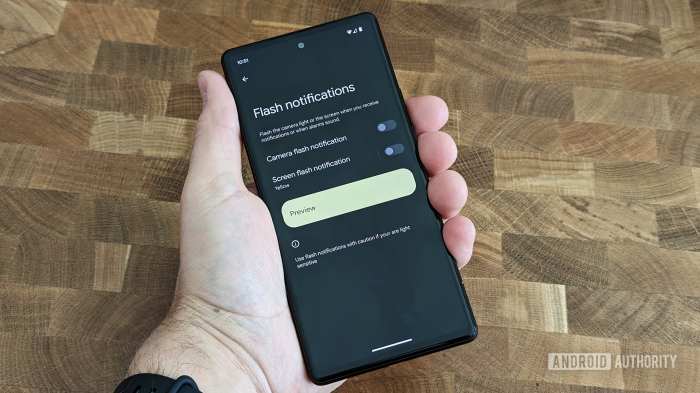
- Android 14: Centered on additional refinement of the notification expertise, with options like improved flash notifications for accessibility and extra granular management over notification conduct.
Modifications in Notification Administration Options Throughout Completely different Android Releases
Android’s evolution is marked by steady refinement of notification administration options. These enhancements present customers with larger flexibility in customizing their notification preferences and managing the movement of knowledge. The next examples spotlight some key adjustments:
- Notification Channels: Launched in Android 8.0 (Oreo), notification channels allowed builders to categorize notifications, enabling customers to manage notifications on a per-channel foundation. This gave customers extra granular management over notification sounds, vibrations, and visible alerts for several types of content material inside a single app, together with e-mail shoppers.
- Do Not Disturb Mode: Refined throughout variations, Do Not Disturb mode permits customers to silence notifications for particular durations or primarily based on sure circumstances. Later variations included choices for prioritizing sure contacts or apps, making certain essential e-mail notifications might nonetheless break by means of.
- Adaptive Notifications: Android variations have launched adaptive notifications, which dynamically regulate notification conduct primarily based on consumer interactions and preferences. This may contain prioritizing notifications from incessantly used apps or adjusting the extent of element displayed primarily based on the consumer’s exercise.
- Notification Snoozing: This function, launched in later variations, lets customers briefly dismiss notifications and have them reappear later, permitting for higher administration of incoming emails and different alerts.
Visible Variations within the Notification Panel: Android 12 vs. Android 14
The notification panel is the central hub for all alerts and fast settings, and its look and performance have advanced significantly between Android variations. Let’s study the variations between the notification panel in Android 12 and Android 14.The Android 12 notification panel encompasses a design that emphasizes rounded corners and huge, simply tappable controls. Notifications are grouped extra cohesively, with clear visible separation between completely different apps and alert sorts.
The short settings tiles, for Wi-Fi, Bluetooth, and different system features, are bigger and extra distinguished, making them simpler to entry. The general aesthetic is clear and trendy, specializing in visible readability and ease of use. A small clock shows on the high left, and the date seems alongside the clock.In distinction, the Android 14 notification panel maintains the rounded corners however introduces additional refinements.
The colour scheme is commonly extra dynamic, adapting to the consumer’s wallpaper and system theme. The notification playing cards themselves is likely to be barely extra streamlined, with delicate animations and visible cues to point the precedence or significance of every alert. The short settings panel could function a extra customizable format, permitting customers to rearrange tiles to swimsuit their particular person wants. The general look is a refined evolution of the Android 12 design, emphasizing personalization and consumer management.
Small particulars, just like the font used for the time and date, are additionally more likely to be tweaked for a extra trendy look. The notification panel in Android 14 represents a delicate but important enchancment, constructing on the muse laid by its predecessor.
